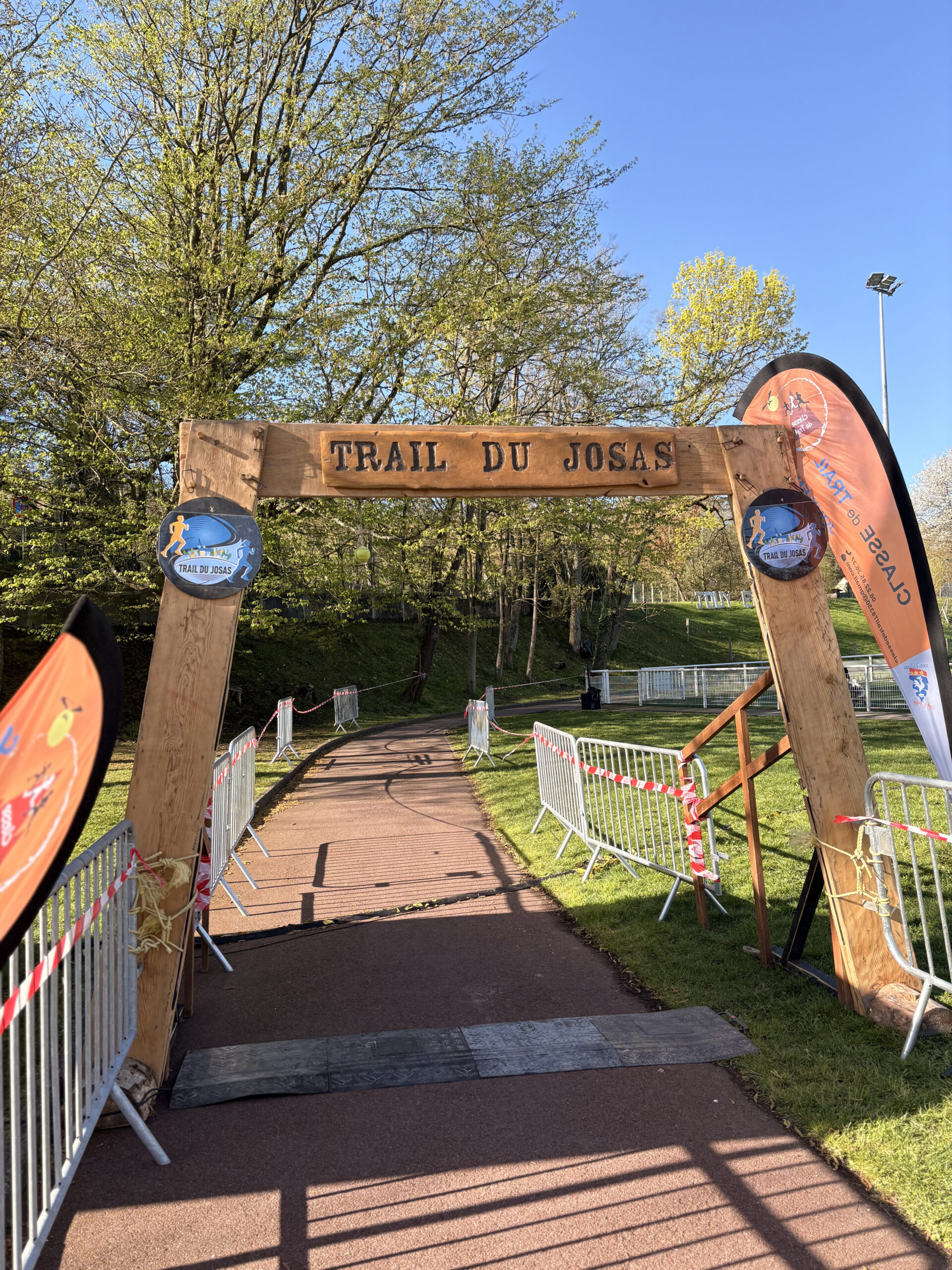
Speaker at a Trail Race in the Yvelines: Our Experience at the Trail du Josas

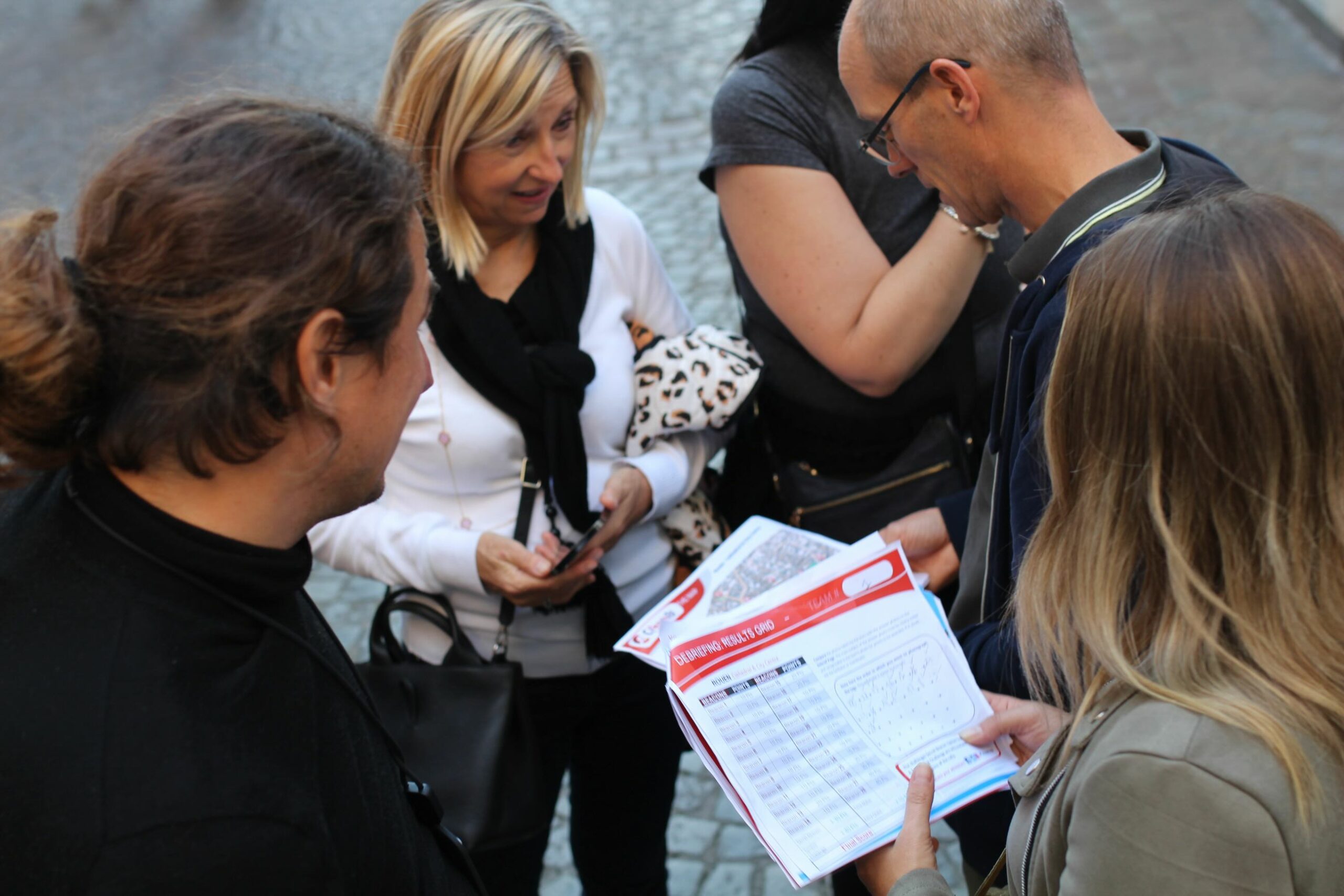
Organizing a Team Building event is always a key moment for strengthening bonds between colleagues, developing communication and stimulating motivation. But a central question often arises when designing the program: should the activities be competitive or collaborative? The answer depends on your objectives, the profile of your participants and your corporate culture.
Competitive activities pit teams or individuals against each other in a spirit of challenge. The aim is to push everyone to give their best to achieve a specific goal, with the ultimate goal of victory.
The advantages are many:
But this approach is not without risk: it is indeed possible to create excessive tension or frustration, especially if certain behaviors become too focused on winning. To avoid this, the competition must be framed with clear rules, neutral refereeing and rewards for all teams, not just the winners.
In contrast, collaborative activities are based on the idea that the whole group is working towards a common goal. No winners or losers, just shared success. Typical examples: solving riddles together, an artistic creation project, or a solidarity challenge. The strengths of this model are that it strengthens the group as a whole (no employee is left out), brings out the best in your team (everyone makes a contribution, however discreet) and, last but not least, reduces stress (the absence of confrontation makes for a more relaxed working atmosphere).
The main challenge of purely collaborative events is to maintain a high level of commitment when there is no competition to stimulate action. The Team Building animator must therefore introduce internal mini-challenges or time limits to add dynamism.
The choice between competitiveness and collaboration during your Team Building should be made according to :
Difficult to choose between the two options? In that case, a third choice may be open to you: hybrid Team Building.
Start with competitive events in separate teams to energize and break the ice, then finish with a common mission that forces all participants to join forces. For example, several teams compete against each other in workshops, but their combined scores then unlock a final stage that only the whole group can achieve (in the same way, for example, as the final round of Fort Boyard, which requires all players to think together to unlock the final solution.)In conclusion, there is no single answer to the question «Competitive or Collaborative for your Team Building?». The key lies in intelligent animation design, aligned with your objectives and your audience. Competition can boost adrenalin and commitment, while collaboration reinforces solidarity and mutual trust. Done right, these approaches offer a complete experience for your team.