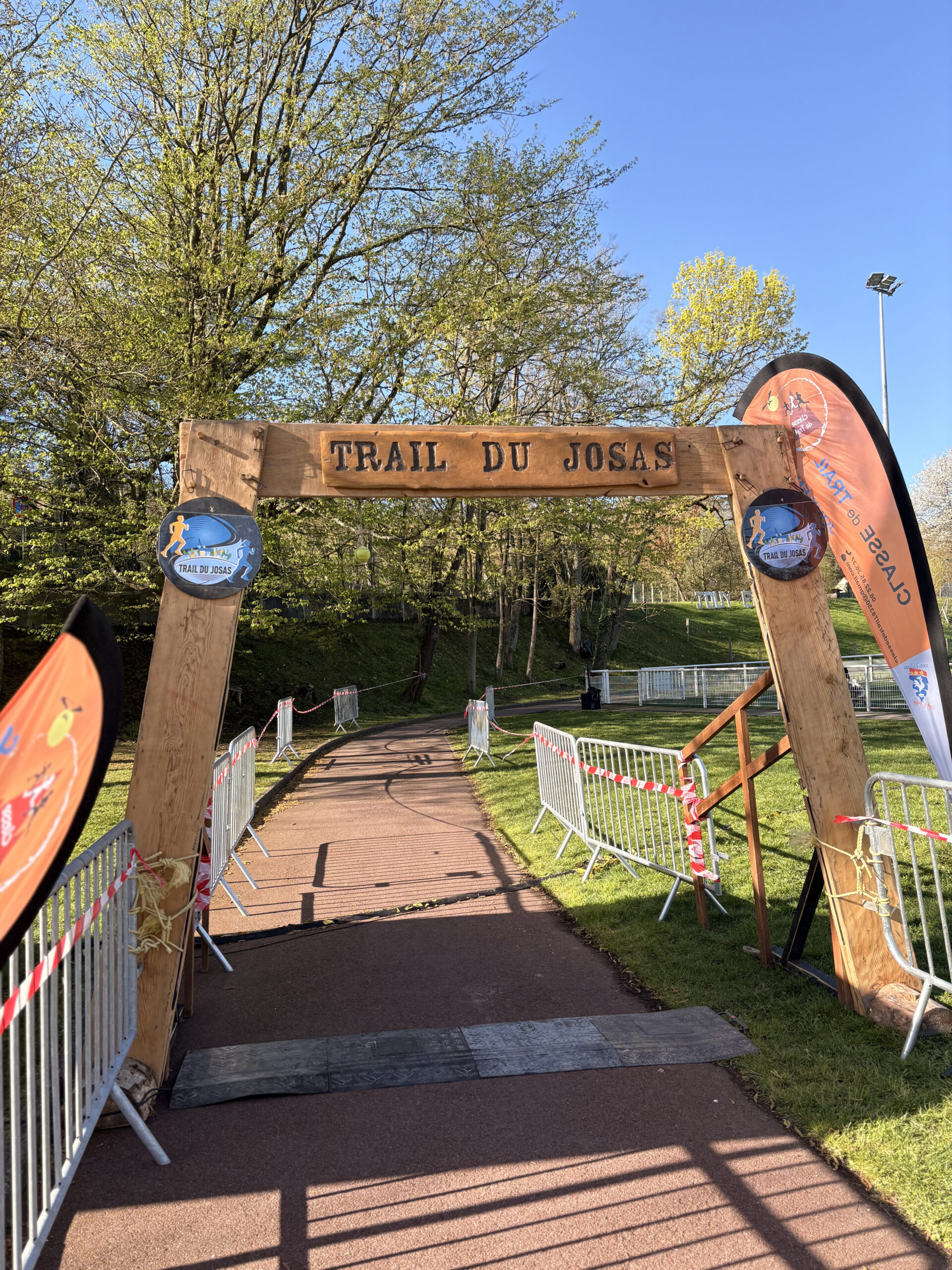
Speaker at a Trail Race in the Yvelines: Our Experience at the Trail du Josas

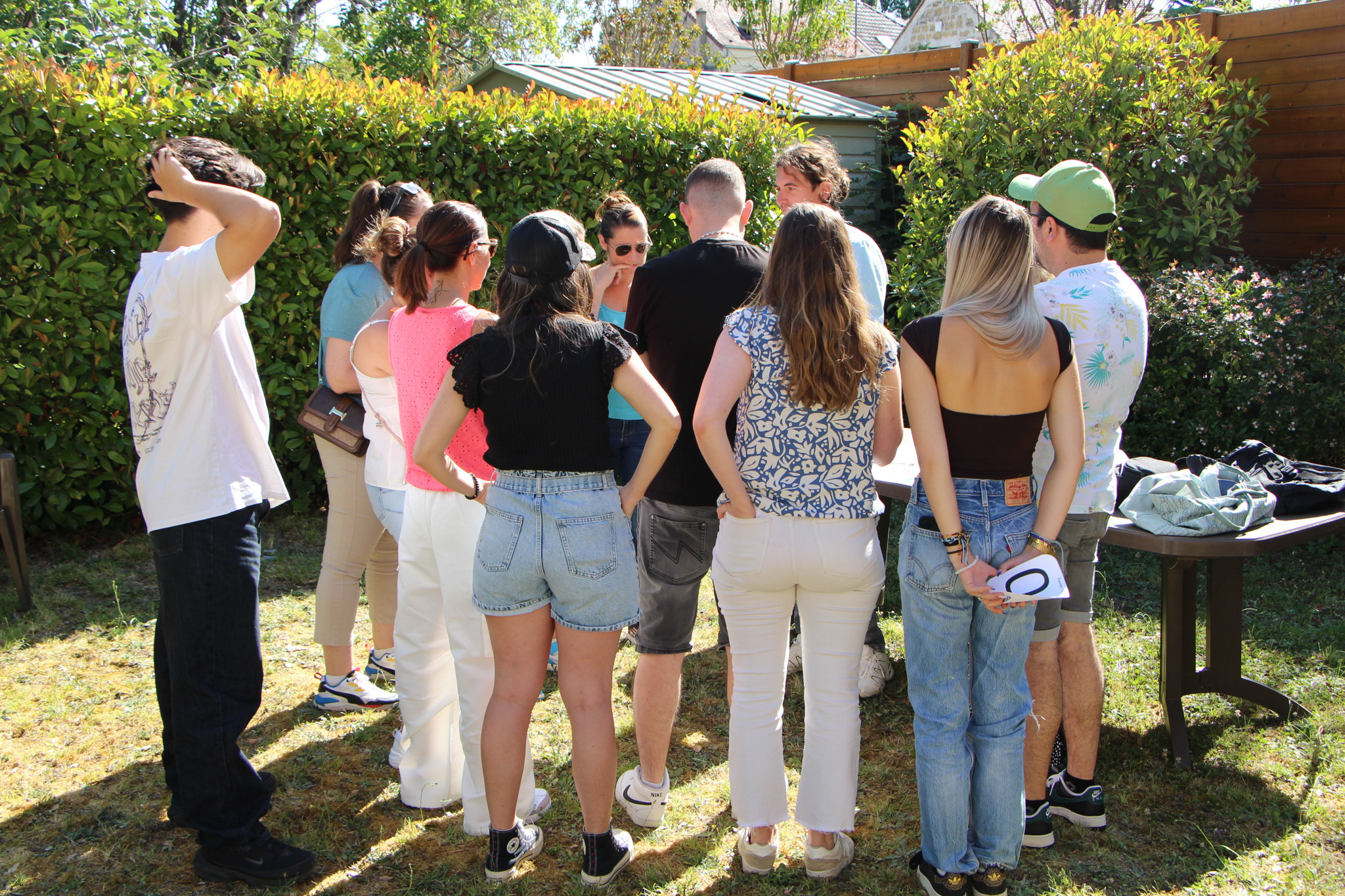
Organizing a team-building event is much more than just reserving a room or finding a fun activity. One of the most decisive factors, and often the most underestimated, is the size of the group. An activity perfectly suited to a team of 8 may turn into chaos or boredom for a group of 80.
Whether you're a manager, HR manager or executive, choosing the right team building format to suit the number of participants is the key to ensuring an enriching, cohesive and memorable experience. In this article, we take you step-by-step through the process of finding the ideal activity, whatever your team's configuration.
Each group animation format responds to different group dynamics. Group size has a direct impact on :
A group of 5 people favors in-depth exchanges and direct communication. Conversely, a group of 200 people requires precise orchestration, sub-groups and experienced facilitators.
Identifying the size of your group before choosing an activity will help you avoid classic mistakes and optimize the return on investment of your corporate event.
| 💡Successful team building always starts with a simple question: How do I want my employees to feel at the end of the day? |
A small group (less than 25 people) means total immersion: everyone sees, hears and interacts with each other. Creative activities such as escape games or culinary workshops reach their full potential here, as everyone actively contributes.
A medium-sized group (50 to 100 people) requires well thought-out organization into sub-teams. The challenge is to create cohesion on a collective scale, while preserving moments of authentic exchange between individuals.
A large group (150 to 300 people or more) requires a solid event structure. The event must be visible, audible and engaging for everyone. Logistics are just as important as content.
Small teams enjoy great flexibility in their choice of activities. At this stage, the priority is often to build mutual trust, improve communication and create strong interpersonal bonds.
| Key points to rememberenir! |
| With fewer than 15 participants, you can afford more intimate, customized activities. Costs are generally under control, and coordination is straightforward. Choose formats that encourage individual expression and active listening. |
This is often the most common corporate format. The difficulty lies in maintaining a strong group dynamic while allowing everyone to find their place. Structuring the presentation is essential.
Recommended activities
| Key points to remember! |
| For groups of 15 to 50 people, we recommend dividing participants into sub-teams of 6 to 10 people for each activity. Make sure groups are heterogeneous (professions, seniority, department) to encourage new connections. A professional facilitator is strongly recommended for groups of 20 or more. |
Organizing a large-scale team building event is a real logistical challenge. The aim is not only to create links, but also to unite around shared values and reinforce the corporate culture.
Recommended activities
| Key points to remember! |
| Beyond 50 participants, logistics are everything. Call on an agency specialized in corporate events. Make sure you have enough entertainers (1 for every 15 to 20 participants), suitable spaces, clear communication prior to the event and rigorous planning management. For very large groups (100 people or more), segment the day into thematic blocks, and alternate moments of collective gathering with small-group activities to maximize everyone's involvement. |
Here is a summary of the essential criteria to take into account before choosing your team building project.
Do you want to improve internal communication, celebrate a success, integrate new employees or bind teams together after a difficult period? The objective directly determines the type of activity.
In addition to size, consider the diversity of profiles (age, mobility, culture), the level of mutual acquaintance between participants, and any constraints (diets, allergies, disabilities).
The cost of team building varies considerably depending on the format. On average, you can expect to pay between €25 and €150 per person for a half-day, and up to €300 to €500 for a full day including catering and travel.
Outdoor activities are popular, but require an alternative in case of bad weather. Indoor formats offer greater control and logistical stability.
For groups of more than 20 people, delegating the organization to a specialized animator saves time, lets you benefit from business expertise and avoids unforeseen events.
There's no such thing as a one-size-fits-all team building event. The key to a successful event lies in matching group size, objectives, budget and participant profiles.
Whether you're a small, close-knit team or a large corporation looking for a unifying force, each configuration deserves a tailor-made approach. By following the recommendations in this guide, you'll maximize your chances of creating a strong, inclusive and lasting positive moment for your organization.
And don't forget: the best team building is the one your employees will still be talking about long after the day is over.
There's no magic number. A team-building event can be just as effective with 10 as with 200 participants, provided the chosen format is appropriate. The most important thing is to ensure that each participant can get actively involved and interact with his or her colleagues, which requires different organization depending on the number of participants.
For groups of over 100 people, we recommend using a professional event agency. It will take care of logistical coordination, entertainment and scenography. Prefer team-structured formats with a common thread (ranking, collective challenge, unifying show).
This choice depends on the profile of your participants (age, mobility, corporate culture), the season, the space available, and above all the objective of the event. A fun activity such as a blind test or quiz is more inclusive and suitable for all profiles, while a sports activity encourages physical exertion and a competitive spirit.
Some events lend themselves to great flexibility, such as musical blind tests, Olympiads or creative challenges. These formats can be easily adapted by dividing them into teams, and can be enriched or simplified according to the number of participants and available resources.