Speakers
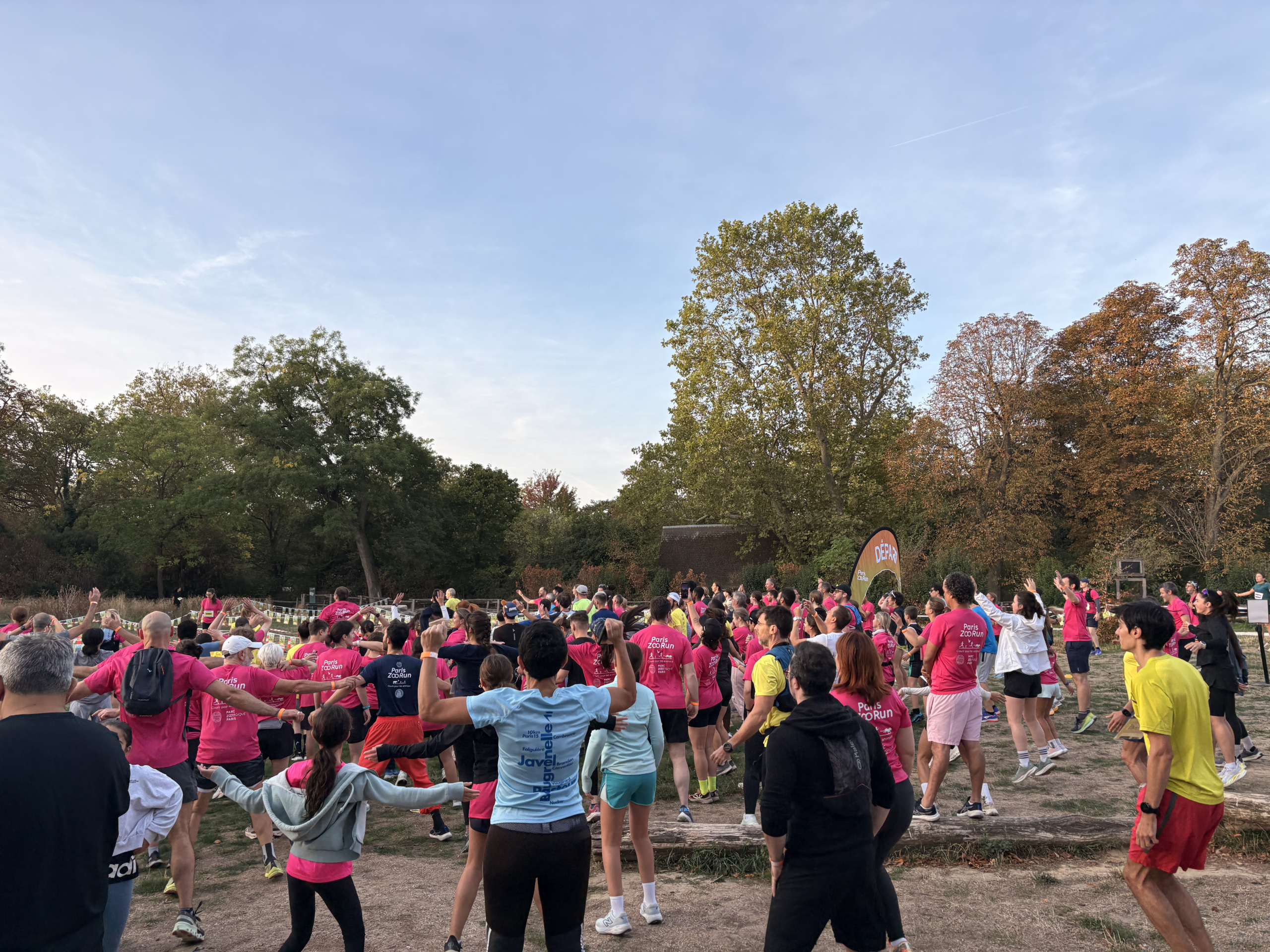
Running Speaker in Paris, our microphone hosting at the Paris Zoo Run

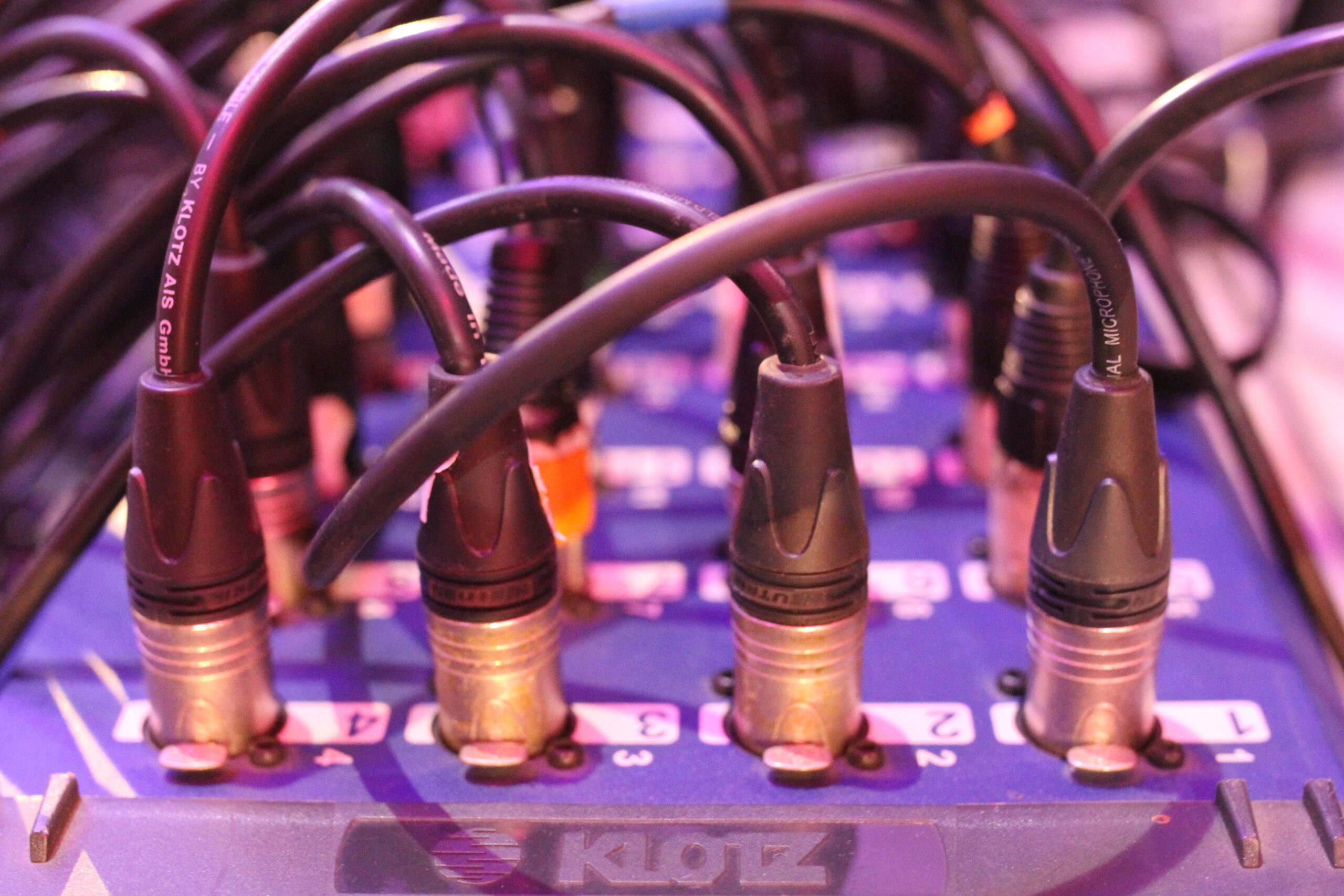
A company blind test is a simple activity on paper. Music clips are played, teams buzz in, and points are tallied. But behind this apparent simplicity lies a technical reality that many organizers discover too late: the equipment makes all the difference between a successful event and a laborious session.
Sound that's too quiet in a large hall, buzzers that don't respond, a screen too small for teams in the back to read the scores… These details ruin the experience. This guide will concretely explain what equipment to plan for based on the size of your venue and the number of participants.
The music quiz relies entirely on sound. If the music clip is difficult to hear, the game stops. Participants cannot guess what they cannot hear clearly. A desktop Bluetooth speaker in a room with 80 people is a frequent mistake that turns the activity into a fiasco.
The equipment also sets the pace of the game. Responsive buzzers speed up exchanges and create tension. A real-time scoring system keeps teams engaged until the final round. This is what we implement on each Animation blind test musical that we animate.
Most organizers preparing an in-house pub quiz base their choices on what they use for meetings: a portable speaker, a company projector, their laptop. This works for 15 people in a standard meeting room. It doesn't work for 60 people in a hall or seminar room.
Before any purchase or rental, three measures are essential:
This is the backbone of the animation. Here's what you need depending on the size of the room:
Fewer than 30 participants (room up to 60 m²) A 100-200W powered speaker is sufficient. It should be positioned at a height to broadcast sound evenly. Avoid consumer Bluetooth speakers: latency and power are insufficient.
Between 30 and 80 participants (hall of 60 to 200 m²) Two amplified stereo speakers, 200 to 400W each, with XLR cabling. A simple mixer allows for level control between music, the host's microphone, and the buzzers.
More than 80 participants (room over 200 m²) A sound system with monitor speakers and possibly side fill speakers. At this stage, renting professional equipment or using a Blind test entertainment provider becomes the most reliable solution.

The host sets the pace of the game. They need a stable microphone, without feedback, with enough range to move around the room.
A wired conference microphone is not suitable for hosting a blind test. It picks up sound poorly from a distance and restricts movement.
It is the element that creates the competitive dynamic of the game. Several solutions exist depending on the budget and the number of teams.
Wired physical buzzers Robust, lag-free, and reliable. Each team has a buzzer unit with a button. The signal is centralized to a main unit that determines who buzzed first. This is the system most used by professional providers.
Wireless buzzers More practical for large venues, but check the range and latency. Some consumer models have up to 200ms of delay, which causes arbitration issues between nearby teams.
Smartphone buzzers Apps like Kahoot or Quizwhizzer allow you to use each participant's phone as a buzzer. Advantage: no equipment to carry. Disadvantage: dependence on room WiFi, risk of distraction, and a less fun feeling than a real physical buzzer.
For a professional animation, the physical buzzer remains the gold standard.
This is the simplest configuration to manage technically. The sound diffuses in a single direction. Two front speakers cover the space well.
Recommended Equipment:
The participants are distributed around the central space. The sound needs to cover 360°. A single front speaker leaves the side teams with degraded sound.
Recommended Equipment:
This setup is common during corporate seminars. It lends itself well to a team building musical where teams work at tables before competing.
The most difficult setup. The sound disperses, there are many distracting conversations, and not all teams are in direct field of view.
Recommended Equipment:
In this case, delegate the technical organization to a team-building provider Bringing your own equipment is often more cost-effective than renting and installing it yourself.
Without a visual display of scores, the teams at the back have no reference points. They rely on the host's verbal announcements, which creates confusion, disputes, and slows down the pace.
A scoreboard visible to everyone keeps the competitive tension high. Teams that are trailing stay in the game because they know a comeback is possible.
Standard projector (up to 80 participants) A projector with a minimum of 3000 lumens on a white surface is sufficient for most seminar rooms. Be mindful of ambient light: a very brightly lit room will make the image unreadable.
65-85 inch flat screen (small rooms) Brighter than a video projector, ideal for rooms of 20 to 40 people. Less bulky and faster to set up.
Double screen or LED screen (large rooms) Beyond 80 participants, or in a U-shaped room where some teams are facing away from the main screen, a second side screen or a mobile LED screen solves the problem.
Purchasing blind test equipment is worthwhile if you organize the event several times a year. A complete set of professional wired buzzers (8 teams) costs between 300 and 800 euros. Quality powered speakers range from 200 to 600 euros each.
For a one-off event or a large gathering (over 50 participants), renting is often more cost-effective. A day's rental for a complete sound system (2 speakers, microphones, cabling) costs an average of €150 to €350, excluding technician fees.
A service provider such as Public Anim Comes with its equipment, its host, and its musical content. You don't have anything to install, configure, or manage in case of a breakdown. It's the most suitable solution for corporate events with over 30 participants where the entertainment needs to be seamless and professional.
If you're looking for other activity ideas to combine with a blind test, our page corporate team building lists the formats we offer based on group size.

Equipment is no small matter when organizing a blind test at a company. It is what enables the activity to run smoothly and deliver on its promises throughout the event.
The basic rule is simple: size the equipment for your actual room, not for an ideal room. An undersized system breaks the rhythm of the game and frustrates participants. A well-calibrated system, with clear sound, responsive buzzers, and visible scores, transforms a classic activity into a real moment of team cohesion.
Are you organizing a blind test at your company and looking for a team with their own equipment? Contact Public Anim for a quote tailored to your capacity and room configuration.
For 20 participants in a standard room, you will need a minimum 150W amplified speaker, a wired or wireless microphone, a computer with a prepared playlist, and buzzers (physical or via app). A video projector or a large screen will complete the setup. This format is available for self-service.
No, but physical wired buzzers offer the best experience. They have no latency, no risk of WiFi failure, and create a game dynamic that smartphone apps don't fully replicate. For professional entertainment, they're the standard.
For 100 people in a standard 200 m² room, plan for at least 2 speakers of 300W each, positioned high on stands. If the room has difficult acoustics (high ceiling, reflective surfaces), add side fill speakers.
Yes, for small groups and internal use. But beyond 30 people, managing sound, buzzers, scores, and verbal announcements simultaneously becomes very difficult for one person. A professional microphone animator takes care of all the technique and focuses on the rhythm of the game and the group's energy.
In a large room, wireless buzzers are preferable to wired ones to avoid cables on the floor. Check the range (minimum 30 meters) and test the latency before D-Day. For more than 10 teams, a centralized system displaying the response order is essential for adjudicating simultaneous buzzes.
Yes. Public Anim intervenes on Corporate musical quiz animations with its own equipment, its facilitator, and a musical selection adapted to your audience. Small groups or large capacities, in a seminar room or for a company evening event.