Speakers
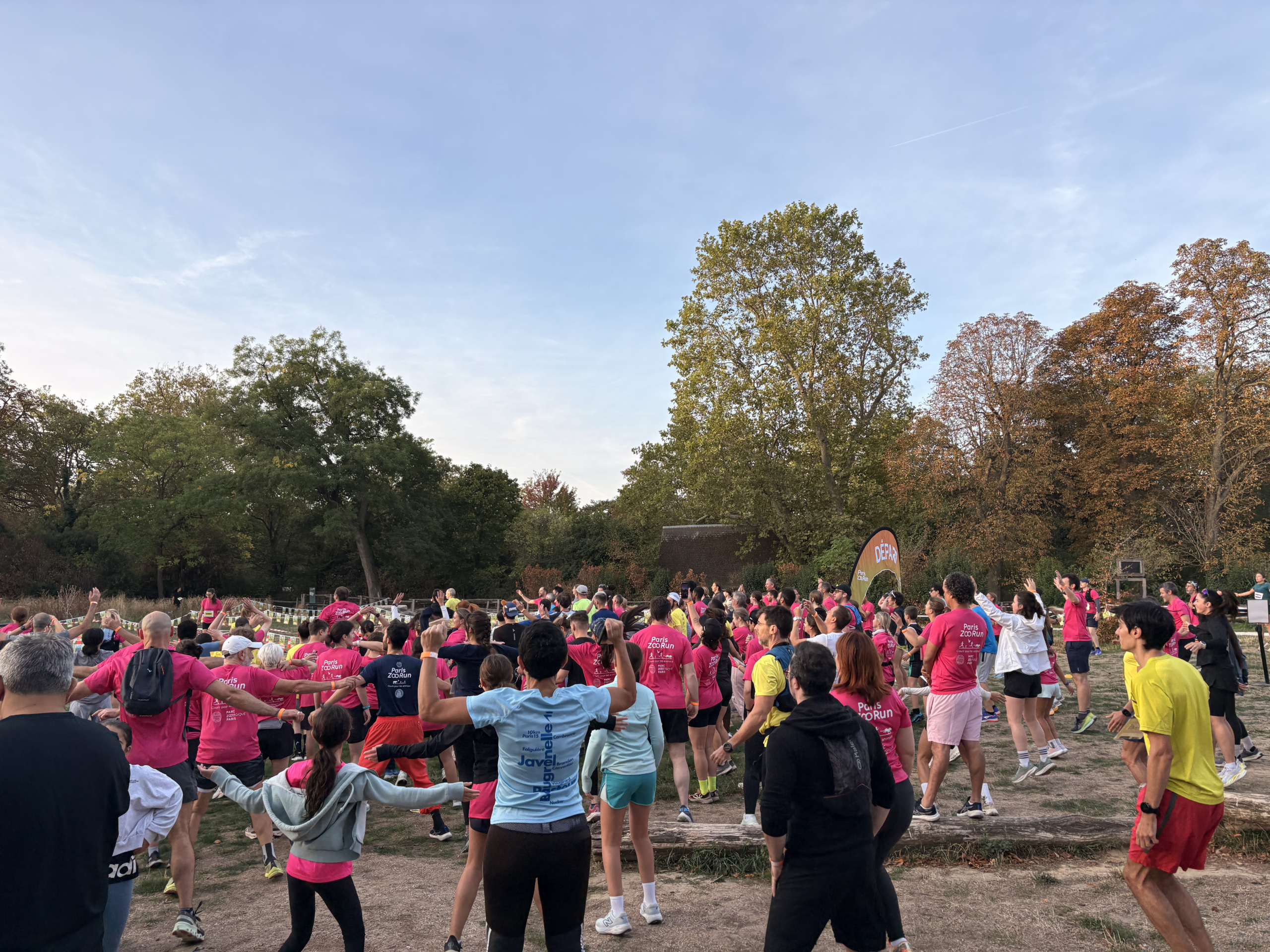
Running Speaker in Paris, our microphone hosting at the Paris Zoo Run

September is arriving, and with it the question that comes up every HR department's mind every year: how to get the machine running again without losing the teams along the way? The back-to-school season is a pivotal moment. The holidays are over, the year's objectives are picking up pace again, and teams need some real shared time to reconnect before the sprint of the coming months.
The problem is that the start of the school year is also the busiest time of the year in business. Between catch-up meetings, budgets to approve, and schedules to finalize, the back-to-school team building often ends up being organized in a rush, two weeks before the date, with activity choices made hastily.
This guide gives you a complete checklist and a standard schedule to prepare your back-to-school team building without stress, from choosing the format to the big day. It is intended for companies, and CSE, but also associations.
The workplace climate is not in great shape. According to the 2026 Gallup Report on the State of Work Around the World, France ranks among the European countries with the lowest rate of engaged employees, with only 7% of employees fully engaged in their work. It is in this context that team-building activities once again become a practical tool: a well-planned team-building event won’t solve everything, but it gives teams a reason to come together away from their computer screens.
Unlike a team-building event organized during the year, the back-to-school one has a specific function: to mark the restart. It allows to:
A failed event at this time of year leaves a lasting impression, precisely because it sets the tone for the entire season.
This is the most common mistake: choosing the activity before knowing why it is being organized. A back-to-school team building event can have several different objectives, and each one dictates a distinct format:
The budget you're willing to invest depends directly on this goal. Our article on the budget team building details the price ranges according to the format and helps you establish a realistic budget from this stage.
September schedules fill up fast: children going back to school, the resumption of business travel, the first executive committee meetings of the year. A date set in late June or early July for a September event guarantees much better team availability than a last-minute date proposal.
The format depends directly on the number of participants and the time available:
Every company has different constraints in terms of size, location, and budget. Our Custom Team-Building Activities are designed to accommodate groups of 10 to 200 participants, regardless of the format chosen.
Once you’ve chosen the format, you should book the venue as soon as possible. Outdoor venues (parks, event halls, recreational centers) are in high demand in September, a time when many companies are organizing their back-to-work events at the same time as yours. Booking six to eight weeks in advance will help you avoid any unpleasant surprises.
An email sent the day before generates absenteeism and ill will. Effective internal communication includes:
Meals, transportation, equipment, a Plan B in case of rain for outdoor activities: logistics often makes the difference between a smooth event and a derailed day. Appointing a single company point of contact, liaising with the service provider, simplifies coordination on the day of the event.
A quick post-event survey (satisfaction, highlights, areas for improvement) helps adjust the format for the following year. It is also a strong signal sent to the teams: their opinion matters, including on this type of initiative.
Here is an eight-week preparation schedule, to be adapted according to the size of your event.
A corporate team building A successful back-to-work period relies above all on preparation. Setting the goal, booking early, communicating clearly, and planning the logistics in advance: these few steps are enough to turn a calendar obligation into a genuine moment of team building. At a time when employee engagement remains fragile, this back-to-school meeting holds more value than it might seem.
Are you preparing your back-to-work team building and looking for a format that truly fits your team? Contact Public Anim to build a custom event.
Ideally starting in June, at least eight weeks before the event. This allows time to book a venue and a service provider before September time slots are taken.
The budget varies depending on the format and group size. For a detailed view of price ranges by activity, check out our guide on the budget team building.
A half-day is enough for most teams. A full day is mainly justified if the company wants to include seminar or review time in addition to the team-building activity.
By favoring formats that require interaction with colleagues from other teams, such as urban rallies or mixed-team blind tests, rather than activities where everyone stays with their usual group.
Always plan B in interior as early as the booking stage. Most experienced providers offer an alternative at no major extra cost if it is anticipated in advance.
It is not mandatory, but a specialized agency simplifies the logistics, offers tested formats, and coordinates the big day. For a tailor-made event suited to your team, contact Public Anim.